Botany


Photo:

Goldthread


Goldthread


Scientific Name:

Coptis asplendifolia

Common Names:

Fern-leaved Goldthread, Canker Root, Mouth Root, Yellow Root

Traditional Names:


Family:

Ranunculaceae


Characteristics:

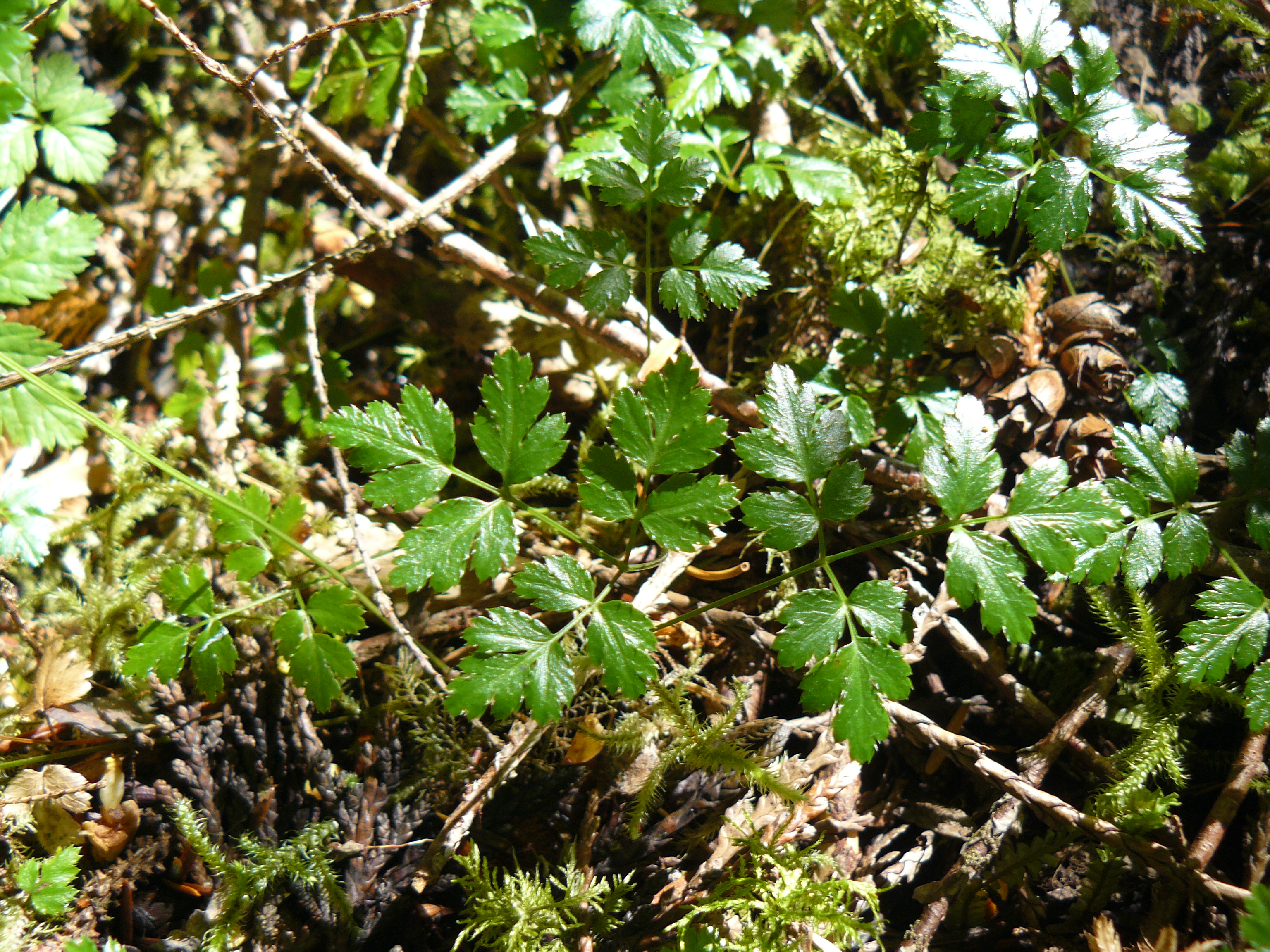
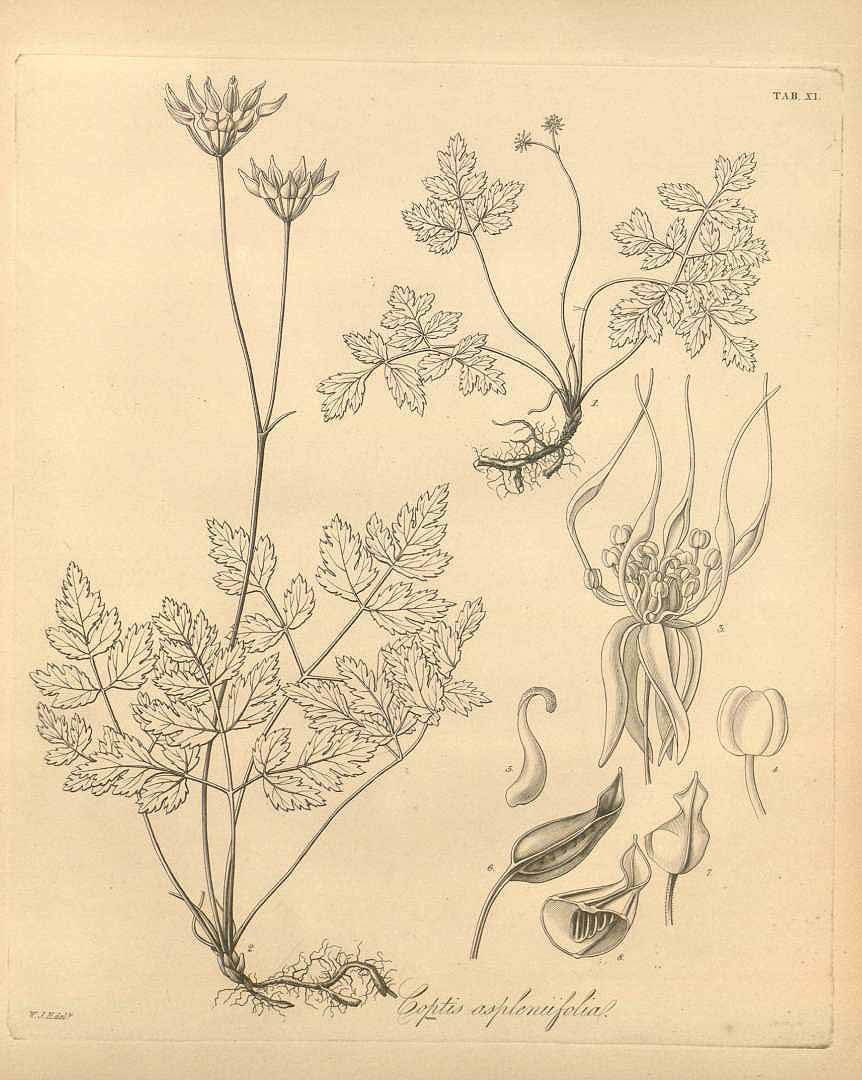
  • Coptis asplenifolia is an mostly hairless, evergreen perennial that grows about 10 to 30 cm tall. It has widespread golden-yellow rhizomes. The leaves are all basal and fern-like, divided into 5 or more lobed and toothed, dark, shiny leaflets which are 2 to 6 cm in length (Pojar & MacKinnon 1997).
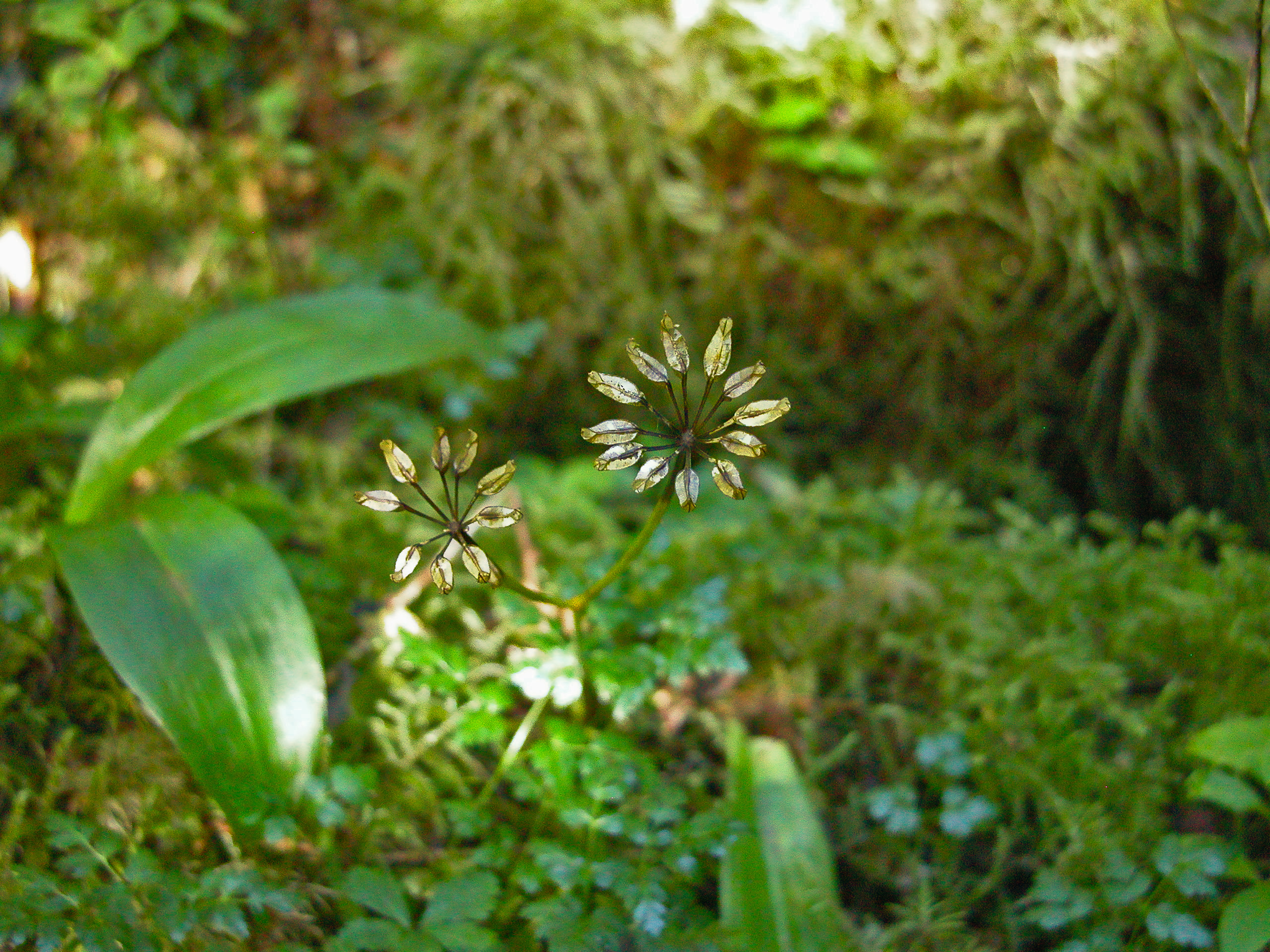
  • The flowers of Coptis asplenifolia are pale greenish-white, with 5 to 6 tapering linear sepals and 5 to 6 narrow strap-shaped petals. Two to three flowers are borne on a leafless flowering stalk that is taller than the leaves at flowering time. The flowers mature to produce up to 12 stalked follicles which spread into a head when ripe. Each follicle contains 5 to 10 seeds that are exposed when the follicle splits open on the upper side. The whole seed head is adapted as a splash-cup for seed dispersal (Pojar & MacKinnon 1997).
  • All goldthreads have a touch of yellow at the base of their leaf stalks (Pojar & MacKinnon 1997).


Habitat:

  • Coptis asplenifolia is found moist forests and bogs at low to middle elevations. It is common and widespread in the northern two-thirds of coastal British Columbia (Pojar & MacKinnon 1997).


Medicinal


Parts Used:

  • Roots and leaves (Moore 1993).


Collection and Harvesting:

  • The roots and leaves of goldthread are gathered in the late summer and fall, from August to October. They can also be gathered in the winter, since their leaves are evergreen; however, they may be difficult to find under the snow (Moore 1993).


Constituents:

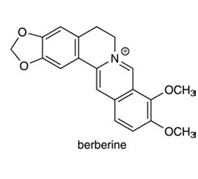
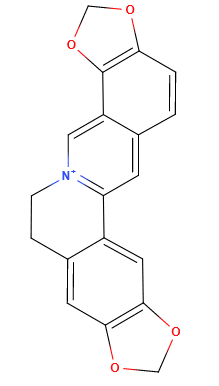
  • The alkaloids berberine, coptisine, and others are responsible for the effects of the herb (Barnes et al. 2007; Moore 1993).
    • berberine
    • coptisine
    • Coptisine


Actions:

  • Goldthread is both antibacterial and antiseptic with effects against Helicobater (antiulcer) and organisms causing dysentery. It is also effective against protists, such as amoebas, Giardia, trypanosomes, and Trichomonas, and yeast (e.g., Candida) (Duke 1985).
  • Goldthread has a number of actions on the digestive system, and is antiperistaltic, antisecretory, digestive, hypoglycemic, astringent, bitter, and a tonic (Duke 1985).
  • Additionally, goldthread is analgesic and anti-inflammatory (Duke 1985).


Indications:

  • Goldthread is a bitter tonic and appetite stimulant which is used for upper intestinal tract deficient conditions, dry mouth, gum problems, coated tongue, and sluggish gastric secretions (Moore 1993).
  • Goldthread is used internally for chronic intestinal congestion, irritable bowl syndrome, constipation with hemorrhoids, and mucus colitis (Moore 1993).
  • Goldthread tincture can be applied directly to cold sores, herpes sores, and aphthous stomatitis (Moore 1993).
  • Goldthread salve is used as a dressing on skin abrasions, as well as for herpes sores and ulcerations of the vagina or anus (Moore 1993).
  • Since berberine is very water soluble, a tea of goldthread can be used as a cleansing wash, sitz bath, douche, enema, or eyewash to treat bacterial infection (Moore 1993).
  • Goldthread tea can be gargled for a sore throat (Hutchens 1973).
  • Coptis is said to be as effective as, or more so than, sulfonamides at curing the following: acute extraocular inflammation, bacillary dysentery, diphtheria, eczema, enterosis, pertussis, pulmonary tuberculosis, purulent otitis media, surgical pyrogenic infections, and Trichomoniasis vaginalis (Duke 1985).
  • Apparently, a decoction of goldthread will "release the driving desire for alcoholic beverages" (Hutchens 1973).


Combinations:

  • For stimulation of the intestinal mucosa, use 15 drops of goldthread tincture with 30 drops of Yerba Mansa tincture up to three times a day (Moore 1993).


Preparation and Dosage:

  • Use a 1:2 ratio of plant matter to menstruum for the fresh whole plant tincture and a 1:5 ratio for the dry whole plant tincture. 50% ethanol should be used for both tinctures. Dosage is 30 to 60 drops, up to three times a day, for chronic gastrointestinal inflammation and 10 drops fifteen minutes before meals if using goldthread as a bitter tonic (Moore 1993).
  • The leaves can be used to make salve; note, however, that the roots are poorly soluble in oil, even with an alcohol moistening step (Moore 1993).
  • The dosage for the powdered rhizome is 0.5–1.2 g daily (Duke 1985).


Contraindications:

  • Berberine is reportedly mutagenic in yeast cells and the Ames test (intercalation into the DNA). It is not recommended for use during pregnancy. Like goldenseal, goldthread should not be taken for long periods of time (Duke 1985).


Drug Interactions:

  • N/A


Additional


History and Origin:

  • Coptis spp. is found growing in dark swamps and mossy woods in northern parts of the United States, and Canada, Iceland, Siberia and India (Hutchens 1973).
  • Coptis asplendifolia is a species native to coastal British Columbia. Unlike several other species of Coptis (e.g., Coptis trifolia, Coptis teeta), Coptis asplendifolia is not endangered, rare, or threatened. It was not used medicinally by the First Nations peoples of the regions; however, it has the same medicinal properties as the other Coptis species.


Ethnobotany:

  • The Iroquois used a decoction of goldthread roots for stomach cramps, worms, to stop vomiting, as a blood purifier and remedy, for jaundice, sore eyes, dizziness, and venereal disease. They used an infusion of the roots or poultice of the herb for sore mouths and trench mouth. They also used goldthread infusions as eardrops and to ease digestion (UM 2015).
  • Goldthread was used as a treatment for sore mouths and sore throats by a number of other First Nations groups including the Malecite, Menominee, Micmac, Mohegan, Ojibwa, Penobscot, and Potawatomi (UM 2015).
  • The Chippewa, Ojibwa, and Potawatomi used goldthread roots to produce a yellow dye (UM 2015).
  • The Abnaki, Algonquin, and Tlingit used goldthread for coughs, lung infections, and respiratory problems (UM 2015).
  • The Algonquin used goldthread infusions for diarrhea, as an eyewash, and for heart disease and toothaches (UM 2015).


Growing Information:

  • Coptis asplendifolia is not generally cultivated; however Coptis chinensis, a Coptis species native to China, can be grown from seed. Sow the seeds in fall or very early spring. Germination occurs in the spring as the ground warms up. Keep the germinating seeds well-watered, protected, and shaded until the seedlings are established. The plant prefers rich, acid loam with moisture and shade.


Personal Impressions and Experiences:

  • I became personally acquainted with goldthread some years ago when I was teaching botany for a resources management program in our local area. Coptis asplendifolia is one of the indicator plants used to determine soil status and degree of marine influence.
  • I have used goldenseal (Hydrastis canadensis), which also contains berberine, for mouth infections. However, I am looking for a more local herbal remedy, and I have been concerned about the over-harvesting of goldenseal root that has occurred in some regions. Our local species of goldthread is quite common, and I am hoping that I will discover how best to use it so that it may become a part of my herbal repertoire.


Historical Botanical Illustrations:

Goldthread illustrations


Coptis asplenifolia Salisb. - Hooker, W.J., Flora boreali-americana, or, the botany of the northern parts of British America, vol. 1: t. 11 (1829)