Botany


Photo:

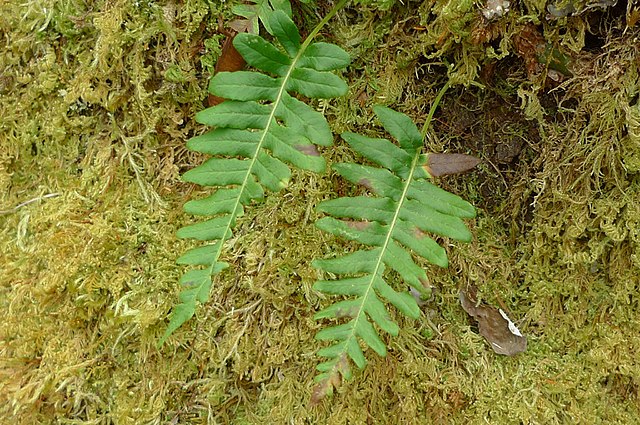
Licorice fern


Scientific Name:

Polypodium glycyrrhiza

Common Names:


Traditional Names:

Licorice Fern, Many-footed Fern, Sweet Root

Family:

Polypodiaceae


Characteristics:

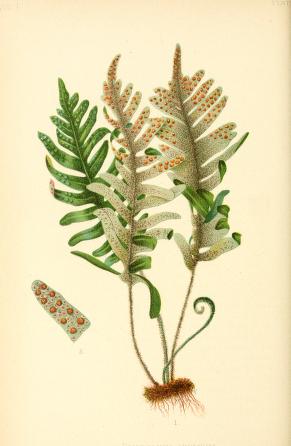
  • The reddish, scaly rhizome of this evergreen fern creeps along the tree trunk or rocks and anchors itself by small roots. It is often hidden by moss. The fronds sprout individually along the creeping rhizomes.
  • The fronds are triangular and as long as 50 cm, usually smaller.
  • The leaves are only once pinnately divided, each leaflet with pointed tips and finely scalloped or toothed margins. The stipe a naked stalk.
  • The plants remain green and luxuriant during droughts, unlike other polypodys that dry and curl at those times, rehydrating after rains.
  • The spore cases (sori) are highly visible, dotting the underside of the fronds. Sporulation occurs from late fall to spring.


Habitat:

  • Licorice fern is a species characteristic of the wet coastal lowland regions (up to 700 m) of the Pacific Northwest, from southern Alaska to northern California (with an isolated population in northern Idaho).
  • It grows primarily in wet forests, where it is especially common as an epiphyte on the trunks of Bigleaf Maples (Acer macrophyllum) wherever there is a dense enough layer of moss for the roots to attach. It also grows on logs, rock faces, and wet, mossy ground.


Medicinal


Parts Used:

  • Rhizome


Collection and Harvesting:

  • Gather the rhizomes in summer to mid-fall. Follow stem to rhizome usually buried in moss, follow along and gently lift up from wherever it's growing. Don't take everything, go from tree to tree rather than clearing all off one tree; careful not to strip off all moss in the process, push it back into place once rhizome has been released/broken off.
  • Scrape off fuzz, cut while still moist, and dry.


Constituents:

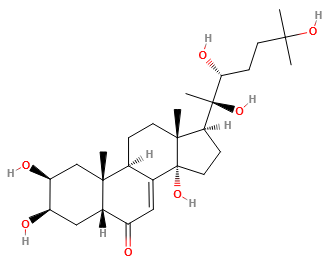
  • Polypody rhizome contains ecdysteroids (5-ß-hydroxyecdysterone and ecdysterone), phloroglucine derivatives, volatile oil (butyric, hexoic, lauric and succinic acids, methyl salicylate, butyric, isovaleric and α-methylbutyric esters), and tannins.
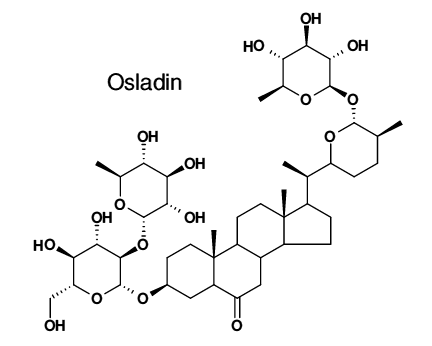
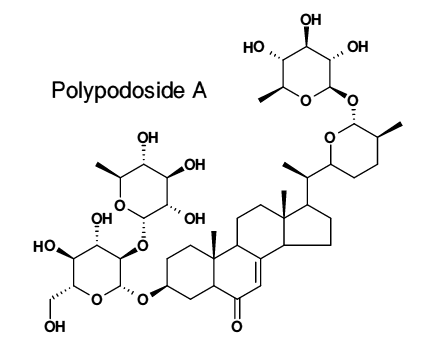
  • The rhizomes contain a potent steroidal compound called osladin, which is said to be 500 times sweeter than sucrose, and polypodoside A, which is 600 times sweeter than a sucrose solution.
  • A substance called polydin has a laxative effect within 10 hours.
    • osladin
    • polypodoside A
    • polydin
    • Polydin

    • ecdysterone
    • Ecdysterone


Actions:

  • Licorice fern has analgesic, cholagog, expectorent, purgative, diuretic, laxative, digestive, antibiotic, antiepileptic, antispasmodic, hypothermic, antipyretic, analgesic, antiviral, insecticidal, hypotensive, and neuro-psychopharmacological activities.
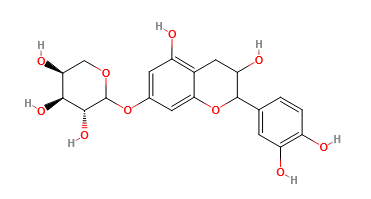
  • Antiviral against herpesvirus (active principles are catechin tannins).


Indications:

  • Traditional herbal medicinal product used as an expectorant in cough and cold.
  • Traditional herbal medicinal product for short-term use in cases of occasional constipation.


Combinations:


Preparation and Dosage:

  • The fresh root is not the best form to use internally, as it may cause mild nausea.
  • Root/rhizome - strong decoction, 2-4 ounces, to 3X a day.
  • For adolescents over 12 years of age, adults, elderly. As an expectorant, use comminuted dried polypody rhizome (4-5 g) for a tea preparation 3- 4 times daily. As a laxative, use comminuted dried polypody rhizome (14-30 g) for a tea preparation daily. Not to be taken for more than 1 week.
  • May act as a mild laxative effect when used for coughs and colds.


Contraindications:

  • Hypersensitivity to the active substance may occur.
  • The use is not recommended in children under 12 years of age due to lack of adequate data.
  • When dyspnoea, fever or purulent sputum occurs, a doctor or a qualified health care practitioner should be consulted.
  • Safety during pregnancy and lactation has not been established.


Drug Interactions:

  • None reported.


Additional


History and Origin:

  • Polypody has been used medicinally in Europe since ancient times. The Greek physician Dioscorides,writing in the 1st century AD, noted that polypody was used to purge phlegm and was an ingredient of a plaster applied to dislocated fingers and to sores that occur between the fingers.


Ethnobotany:

  • Licorice fern was an important medicinal plant for a number of Native American groups, used raw, boiled, or baked.
  • The rhizomes were chewed for their licorice flavor and used as a remedy against colds, coughs, and sore throats—the cough drops of the time.
  • The Haida people made a poultice from the rhizomes to treat colds and coughs. The rhizomes were compounded in a decoction for stomach pain. The rhizomes were chewed and the juice swallowed for sore throats.
  • The Thompson people also chewed the rhizomes or made an infusion from them to treat sore throats, colds and sore gums.
  • The Oweekeno, Hanaksiala, Haisla and Kitasoo peoples also used the rhizomes for colds, coughs and sore throats.
  • The Kwakiutl people used the rhizome juice to stop vomiting blood and a decoction of the rhizome was taken for diarrhea.
  • The Cowlitz took an infusion of the crushed stems for measles.
  • The Green River, Khallam, Makah and Quinalt peoples used the rhizome as a cough medicine.
  • Several species of the genus (called polypodys) have long been used medicinally in European cultures as well.


Growing Information:

  • Licorice fern is cultivated as an ornamental garden plant. It can be grown in natural as well as different artificial environments (glasshouse).


Personal Impressions and Experiences:


Historical Botanical Illustrations:

Polypodium illustrations