Botany


Photo:

Oregon grape


Oregon grape


Scientific Name:

Berberis aquifolium

Common Names:

Oregon Grape, Mountain Grape, Holly-leaved Berberis

Traditional Names:


Family:

Berberidaceae


Characteristics:

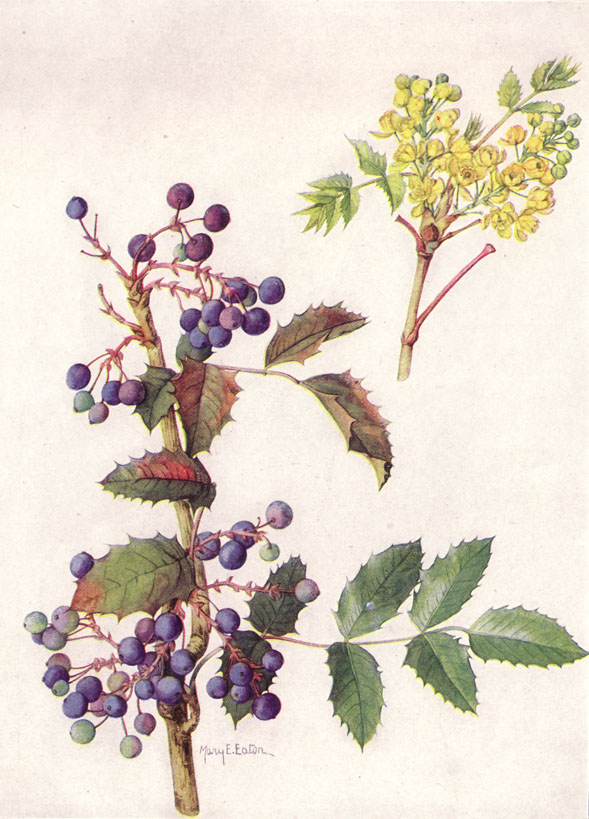
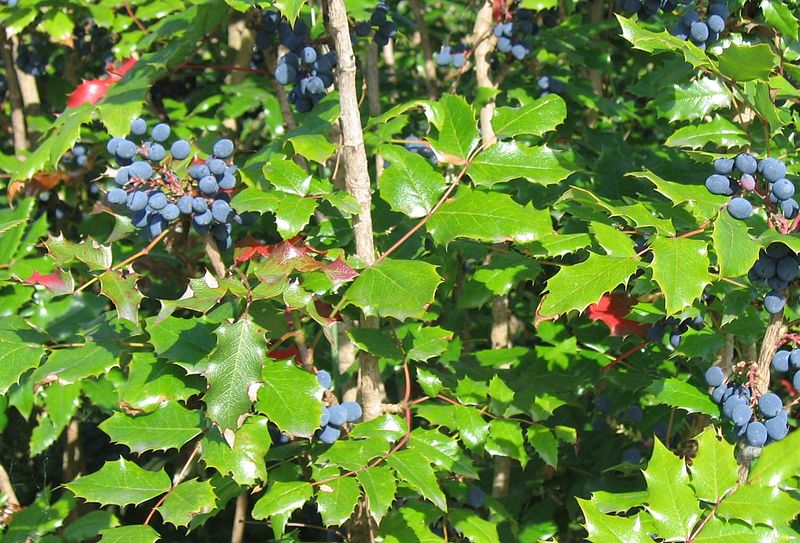
  • The plant is a fast-growing, evergreen, stoloniferous shrub about 50 to 150 cm high with stout stems, sparingly branched. The leaves are odd-pinnate, 10 to 20 cm long with 3 to 6 pairs of leaflets. The leaflets are 4 to 8 cm by 2 to 4 cm, ovate, dark and shining green.
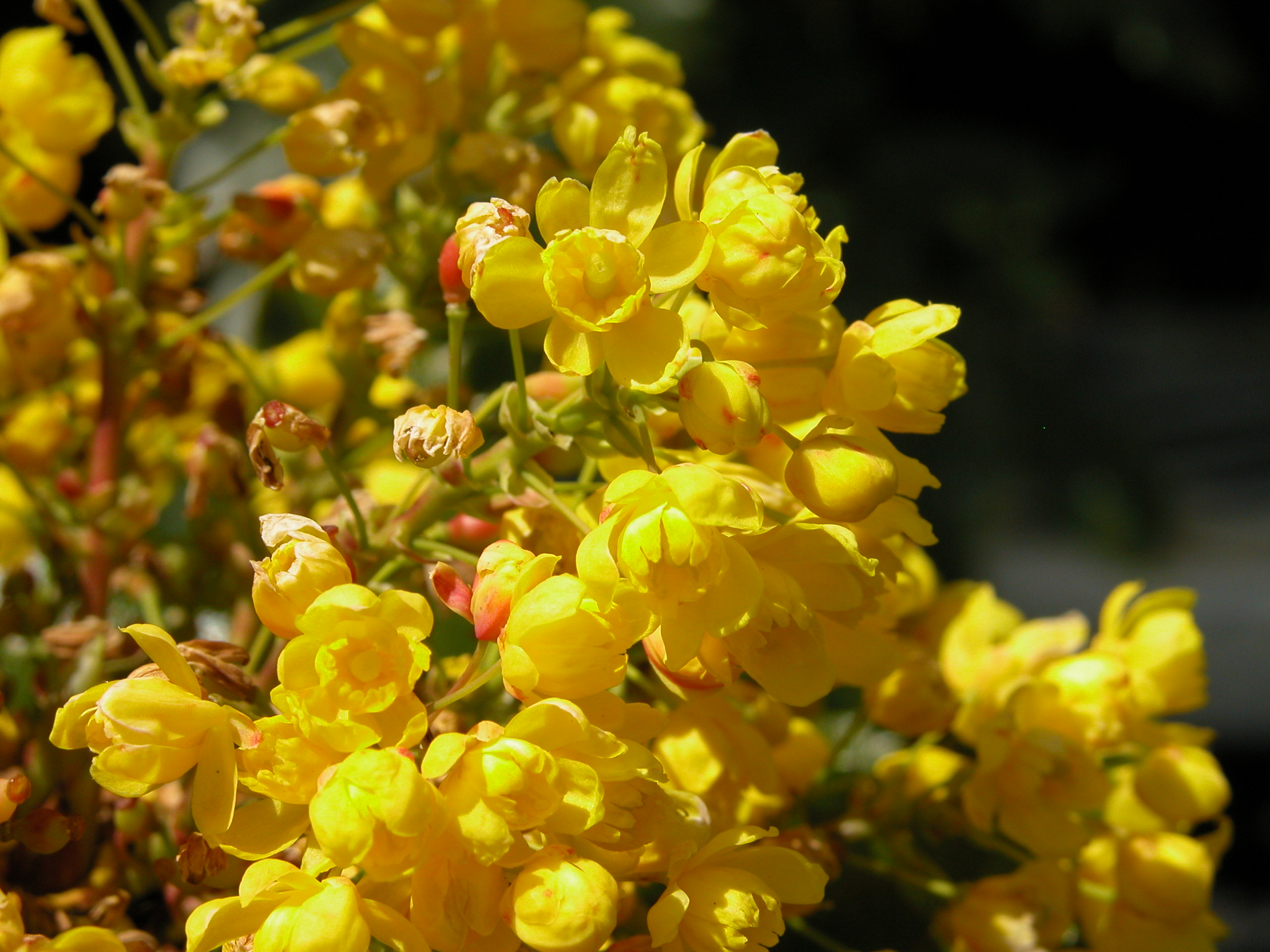
  • The heavily scented flowers are either in dense 5 to 10 cm panicles or in groups of 3 to 6 in erect 5 to 8 cm racemes in the leaf axils. The flowers are yellow and have 9 sepals, 6 petals and 6 stamens. The pedicles are 5 to 10 mm long.
  • The fruit is a globose, purple-black, frosted berry with red juice. The 2 to 5 seeds are glossy brown.


Habitat:

  • Indigenous to the Pacific northwest; ornamental or cultivated in Europe.
  • Mahonia aquifolium occurs in the North American from Southeast Alaska to Northern California, and eastern Alberta to central New Mexico, often found in the understory of Douglas fir forests (although other forest types contain the species) and in brushlands in the Cascades, Rockies, and northern Sierras.
  • Several common species of Oregon-grape are known, and many have numerous cultivars. Among these are tall Oregon grape (Mahonia aquifolium); Cascade, low, dull, or dwarf Oregon grape (M. nervosa); and creeping Oregon grape (M. repens). .


Medicinal


Parts Used:

  • The medicinal parts are the dried rhizome and the roots, the dried branch and twig bark, as well as the root bark.


Collection and Harvesting:

  • Oregon grape root and stem bark is harvested in the spring or fall. Cut large stems with a hand pruner.
  • Carefully scrape the outer bark with a knife so that all of the yellow bark is removed from the inner white root.
  • Dry the bark in paper bags or on flat baskets or screens.


Constituents:

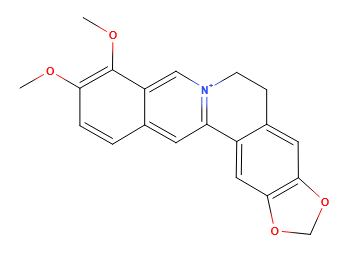
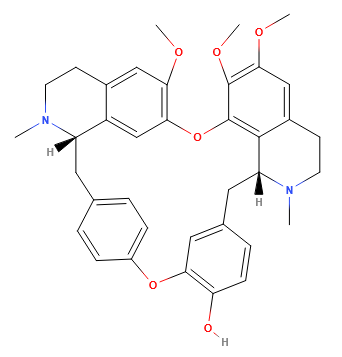
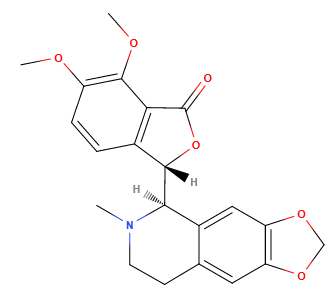
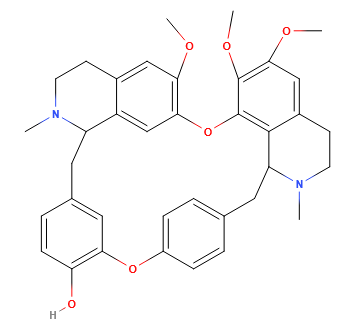
  • Alkaloids of the isoquinoline type; berberine, berbamine,hydrastine, oxycanthine, canadine, columbamine, corydine, and more.
    • berberine
    • Berberine

    • berbamine
    • Berbamine

    • hydrastine
    • Hydrastine

    • oxycanthine
    • Oxycanthine


Actions:

  • Astringent, anti-microbial, alterative, vulnerary, anti-inflammatory, cholagogue, choleretic, stomachic, mild laxative, antioxidant, anti-tumor activity, anti-emetic, anti-catarrhal, tonic, supports the immune system, promotes elimination of catabolic residues.
  • Due to its isoquinoline alkaloids like berberine, Oregon Grape has demonstrated antimicrobial activity against numerous bacteria, such as E. coli and MRSA.
  • It also possesses antimycotic activity against pathogenic fungal species like Candida and Aspergillus.
  • Plants that contain berberine may participate in beneficial herb-drug interactions with antibiotics by engaging in efflux pump inhibition. Bacteria use efflux pumps to rid their internal environment of noxious chemicals (this is one mechanism of antibiotic resistance). Berberine inhibits this pump, enabling antibiotics to do their job more effectively.
  • Berberine is not a systemic antimicrobial; its effect is local.
  • Berberine has a mild mutagenic effect. It is an antipsoriatic when used externally.


Indications:

  • Oregon grape is similar in action to both golden seal and goldthread.
  • Its main use is in the treatment of chronic and scaly skin conditions such as psoriasis and eczema.
  • It can be used in stomach and gall bladder conditions, especially where there is connected nausea and vomiting.
  • As a laxative, it may safely be used in chronic constipation.
  • A tincture or decoction of the inner stem bark of Oregon grape can be used topically for staph infections and MRSA.
  • A tincture or decoction can also be ingested for GI tract infections like Giardia.
  • Oregon grape is bitter, and can also be used for sluggish digestion, which might manifest as constipation, bloating, tongue coating, dental problems, gastric reflux (heart burn), and other GI symptoms. It can also be used for diarrhea-causing infections like Giardia.
  • As a bitter herb, Oregon grape can also serve as a hepatic or liver supportive herb for regulating bile acid metabolism.
  • Oregon grape root contributes to epithelial regeneration by increasing secretions from the intestinal wall itself. This strengthens the mucosal layer, which is critical for proper GI microflora, nutrient absorption, and intestinal motility.
  • Berberine can also positively impact blood sugar metabolism and the cardiovascular system and can be used in hypoglycemic and hyperlipidemic conditions (including Type 2 diabetes).
  • Berberine possesses an array of cardiovascular properties, including antiarrythmic and vasodilatory properties.


Combinations:

  • Oregon grape root is beneficially combined with cascaras sagrada (Rhamnus purshiana) for cases of atonic dyspepsia with chronic constipation.
  • For syphilis, combine: 2 drams Oregon Grape root, cut or powdered, 1 1/4 drams red clover, 1 dram burdock seeds, 1 dram cascara sagrada, 4/5 dram blue flag, 2/3 dram prickly ash, 2/3 dram blood root. This is made into a standard decoction and taken 2 tablespoonfuls at a time three or four times a day.


Preparation and Dosage:

  • Inner bark tincture: dried 1:5 50% alcohol; fresh 1:2 40-65% alcohol. Take ½ - 1 tsp of the tincture three times a day.
  • Decoction - put 1-2 tsp of the root in a cup of water, bring to boil and simmer for 10 - 15 minutes, allow to steep for an additional 10 minutes. This should be drunk three times a day.
  • Oregon grape's antimicrobial alkaloids are water soluble.


Contraindications:

  • Due to its berberine content, Oregon grape root is not for use in pregnancy or breastfeeding. In animal studies, berberine has demonstrated uterine stimulating effects. Berberine has been found in human breast milk after ingestion.


Drug Interactions:

  • Oregon grape can be used alongside antibiotics to increase their effectiveness against Methicillin-resistant Staphylococcus aureus (MRSA).


Additional


History and Origin:

  • Historically, Oregon grape has been used to clean and promote the flow of bile from the liver and gall bladder, in liver and kidney ailment, for skin eruptions and acne and indigestion, to promotes bowel movements and help constipation, for general debility, as a bitter tonic, for ulcers and ulcerated stomach, heartburn, rheumatism and arthritis, cough, cuts and bruises, for scorbutic and syphilitic problems, to stimulate the thyroid function, for herpes, psoriasis and eczema, for hepatitis, as a nerve tonic, for malaria, enlarged spleens, vaginitis, yeast infections, leucorrhea, bronchial congestion and to increase the appetite.


Ethnobotany:

  • Oregon grape root was also once known as "Indian barberry" as it was widely used by the First Nations as a gastrointestinal aid, kidney support, and general tonic for health.
  • Many tribal communities also used it for intermittent fevers accompanied by diarrhea.
  • It was used by the Apache community as a gum remedy.
  • It was also administered for tuberculosis infections by the Nitinaht, Sanspoil, and Miwok people.
  • The Blackfoot community used it as a blood medicine (alterative), infant remedy (specific use unknown), and for rheumatism.
  • The fruit was often used as a food (fresh or dry).
  • The bark, stem, and even leaves were crafted into dyes for many types of fabrics.
  • The Eclectic physicians, who drew from North American indigenous herbal practice, regarded Oregon Grape root as a general tonic, but also articulated more specific indications. It was considered to be an effective remedy for liver and gallbladder ailments, gastrointestinal infections, constipation, malaria, syphillis, and uterine hemorrhage.


Growing Information:

  • Oregon Grape occurs in the wild, but it can be cultivated easily in the garden. It is propagated by seeds, cuttings, suckers, and layers.
  • Sow the seeds in flats or broadcast beds in fall; in most cases, they will germinate by spring.
  • For cuttings, place green cuttings of young wood in sand in a shady bed. The roots put out suckers to form a hedge, and you can also layer the branches for the same effect.


Personal Impressions and Experiences:


Historical Botanical Illustrations:

Oregon grape illustrations